
Effective Lawn Mowing Practices
Begin mowing when grass reaches about 3 inches in height. Cutting to 2-2.5 inches encourages healthy growth and prevents disease.
Maintain a mowing frequency of once a week or as needed, adjusting height to 2-3 inches to withstand heat and drought.
Continue regular mowing until grass stops growing, typically reducing height slightly to prepare for winter dormancy.
Avoid mowing during periods of dormancy or extreme drought to prevent stress and damage to the lawn.
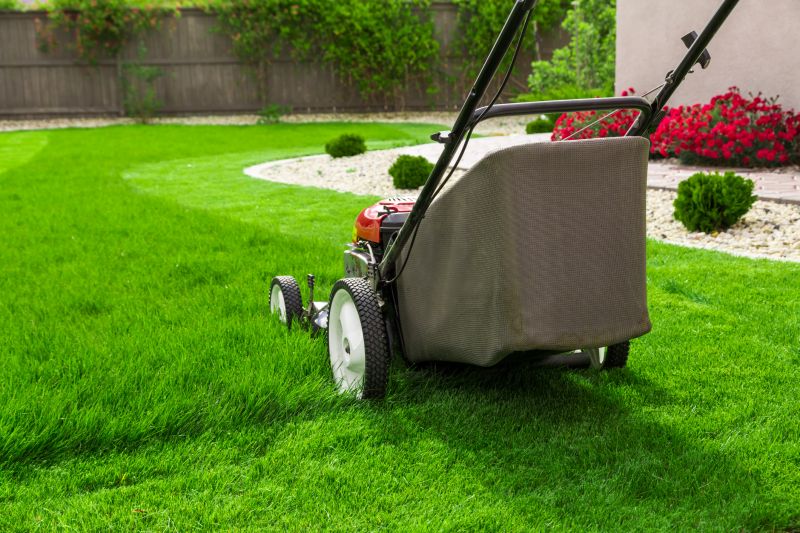
A lush green lawn during spring growth.
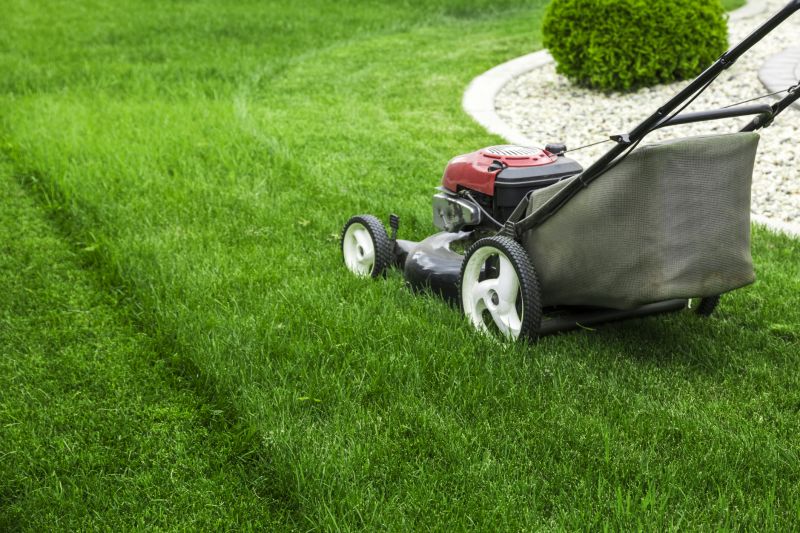
Maintaining height during hot months.
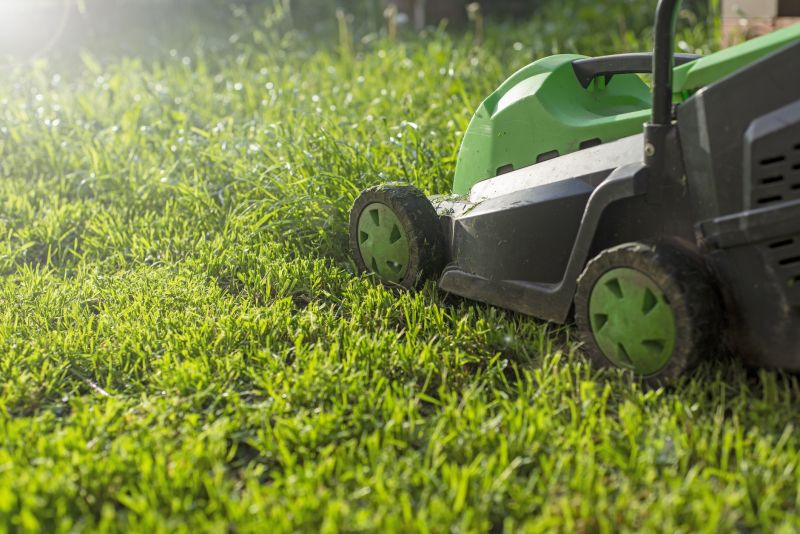
Preparing the lawn for winter dormancy.
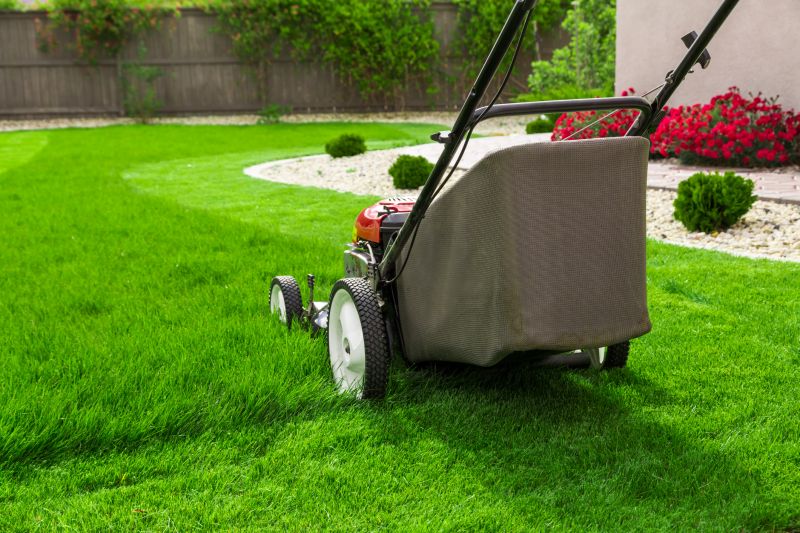
Simple add-ons that improve Lawn Mowings without blowing the budget.
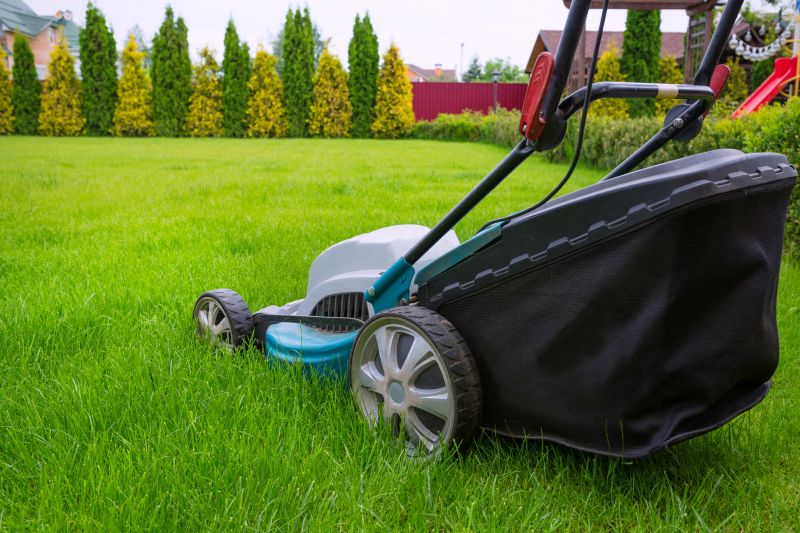
High-end options that actually feel worth it for Lawn Mowings.
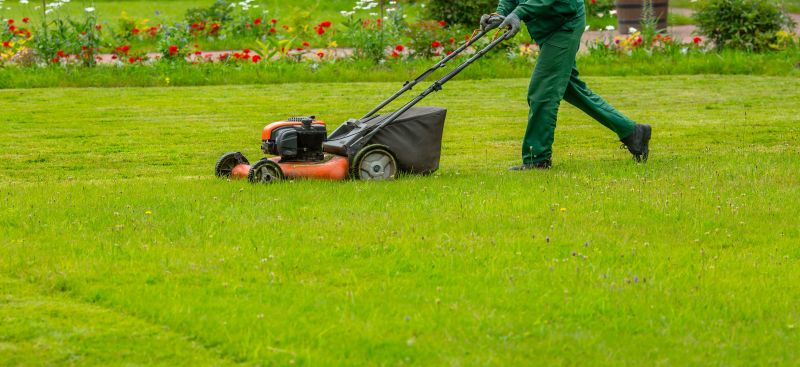
Finishes and colors that play nicely with Lawn Mowings.
| Season | Recommended Mowing Height |
|---|---|
| Spring | 2.5 - 3 inches |
| Summer | 2 - 3 inches |
| Fall | 2 - 2.5 inches |
| Dormant Periods | Avoid mowing |
Lawn mowings play a critical role in maintaining a healthy turf. Regular mowing helps control thatch buildup, promotes dense root systems, and reduces pest habitats. The frequency and height of mowing depend on grass species and seasonal growth patterns. For instance, cool-season grasses typically require more frequent mowing during active growth periods, whereas warm-season grasses may need less frequent cuts. Proper mowing practices can improve lawn appearance and resilience against environmental stresses.